

Chicken farming, also known as poultry farming, is a rewarding and versatile agricultural venture that provides a source of protein and income for many individuals and communities. Whether you’re considering starting a small backyard flock or a larger commercial operation, this guide will walk you through the essentials of chicken farming, from planning and setup to management and best practices.
Planning Your Chicken Farm: Before embarking on your chicken farming journey, careful planning is essential. Consider the following steps:
- Choose Your Purpose: Determine whether you’ll be raising chickens for meat (broilers) or eggs (layers), or both.
- Select a Breed: Research various chicken breeds based on your goals, climate, and available resources.
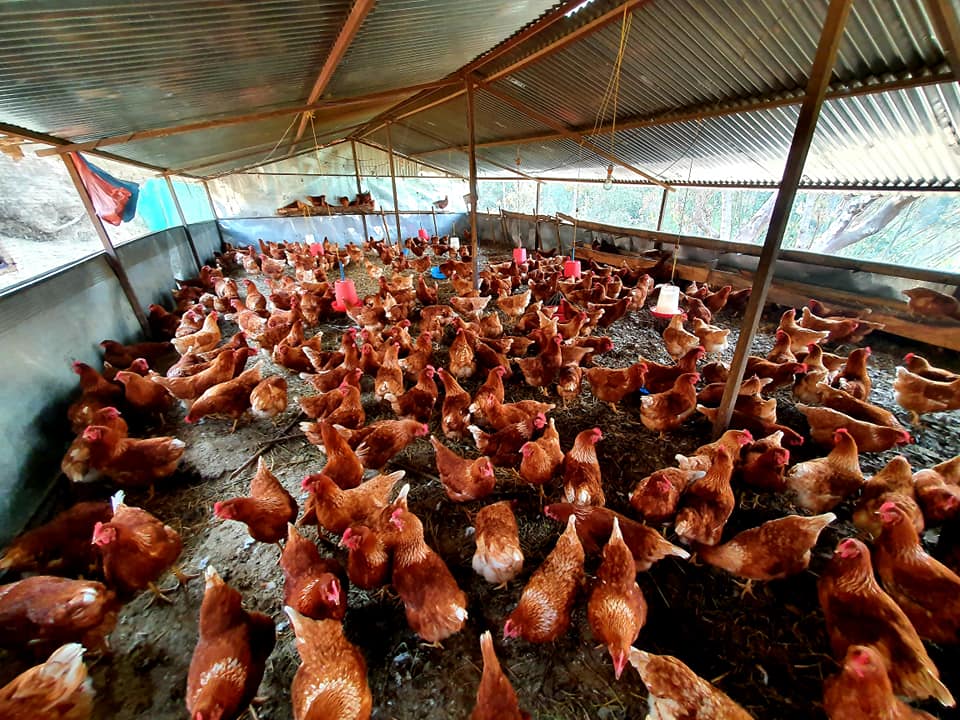
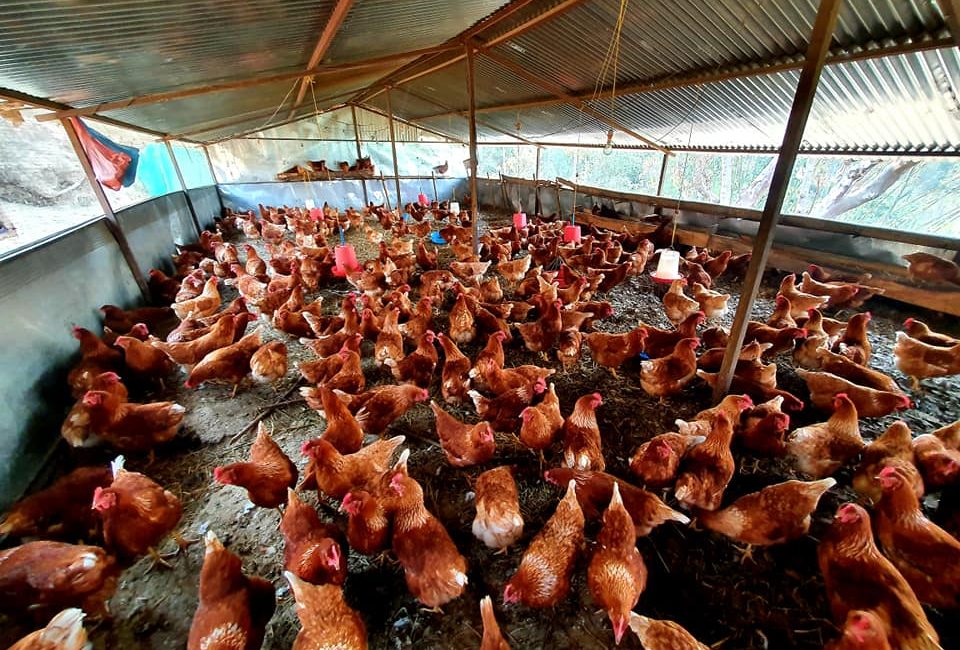
- Housing and Infrastructure: Design and build suitable chicken coops, ensuring proper ventilation, lighting, and protection from predators.
- Feed and Nutrition: Plan a balanced and nutritious diet for your chickens, including commercial feed and supplementary options.
Setting Up Your Farm: Once your planning is complete, it’s time to set up your chicken farm:
- Procure Chicks or Hatching Eggs: Purchase day-old chicks or hatching eggs from reputable sources.
- Brooding Area: Create a warm and safe brooding area with heating lamps or pads for young chicks.
- Feeding and Watering Systems: Install appropriate feeding and watering systems that cater to the age and size of your chickens.
Managing Your Chicken Farm: Successful chicken farming requires diligent management and care:
- Health Monitoring: Regularly inspect your chickens for signs of illness, and promptly address any health concerns.
- Biosecurity: Implement strict biosecurity measures to prevent disease outbreaks and maintain a healthy flock.
- Vaccination and Medication: Follow recommended vaccination schedules and administer medications as needed.
- Egg Collection and Handling: Collect eggs daily, ensuring cleanliness and proper storage to maintain egg quality.
- Market and Sales Strategy: If applicable, develop a plan for marketing and selling your products, whether it’s meat, eggs, or both.
Best Practices for Chicken Farming:
- Hygiene: Maintain clean and sanitary conditions within the chicken coop to prevent the spread of diseases.
- Space and Ventilation: Provide adequate space and ventilation to prevent overcrowding and ensure good air quality.
- Proper Nutrition: Offer a balanced diet rich in nutrients, including proteins, vitamins, and minerals.
- Free-Range vs. Confinement: Choose an appropriate management system based on your farm’s size and your chickens’ welfare.
- Regular Monitoring: Monitor growth rates, egg production, and overall flock behavior to identify any issues early on.
Conclusion: Chicken farming can be a fulfilling and profitable endeavor when approached with careful planning, proper setup, and attentive management. Whether you’re motivated by self-sufficiency, sustainability, or commercial success, following best practices and continually educating yourself will help you navigate the challenges and joys of raising healthy chickens. With dedication, knowledge, and a passion for poultry, your chicken farming venture can flourish into a source of pride and prosperity.